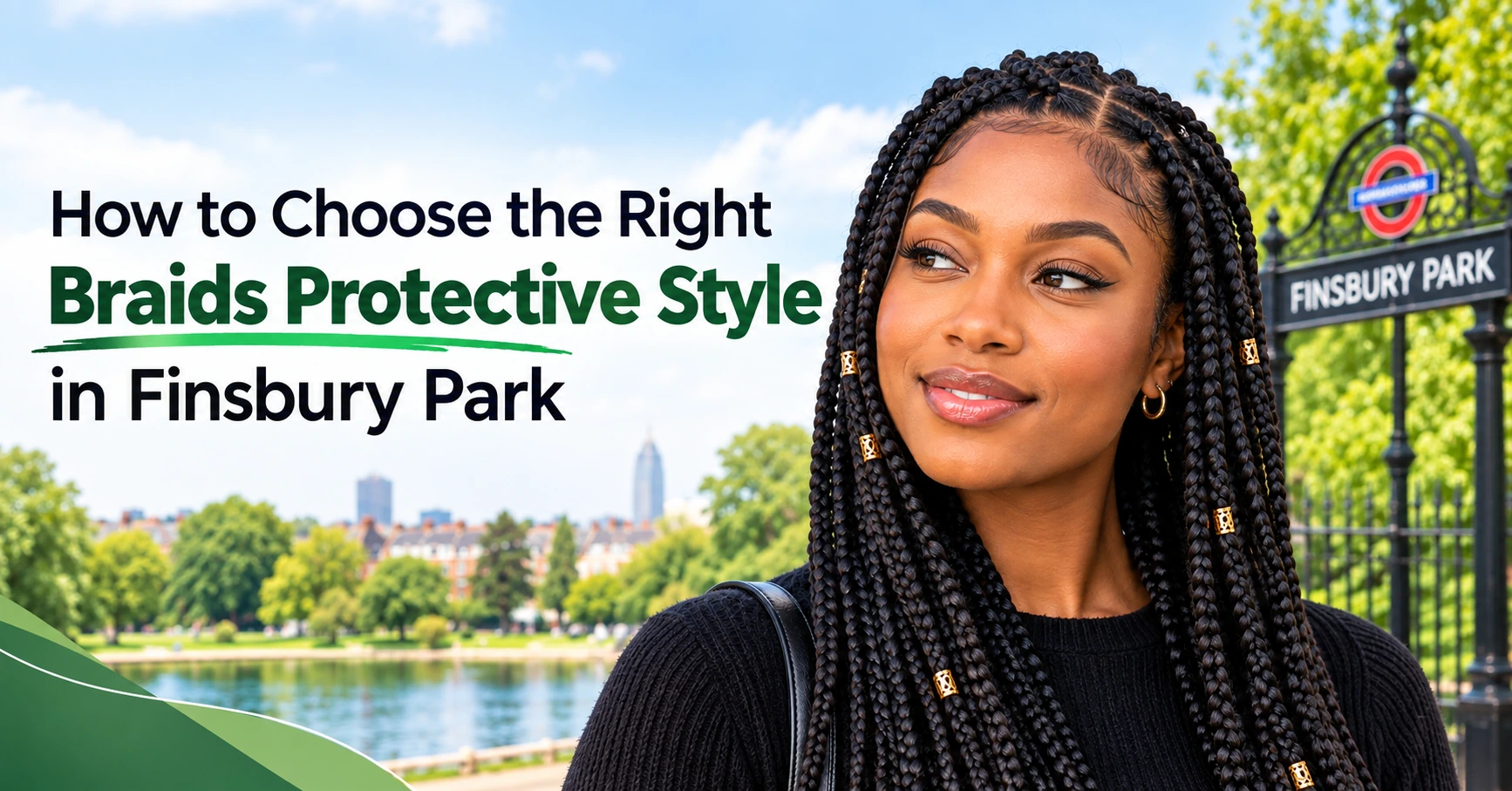
The right protective braid style depends on your hair type, hair length, lifestyle and how much upkeep you are happy to manage. Choose a style that feels comfortable on your scalp, fits your daily routine and is installed by an experienced braider who puts the health of your natural hair first. A short consultation before booking is the best way to confirm the match.
Protective styling is one of the most effective ways to reduce daily manipulation and support healthy length retention. Yet with so many options available, including box braids, knotless braids, cornrows and Fulani braids, deciding where to start can feel overwhelming. If you are exploring a braids protective style In Finsbury Park, this guide explains what to consider, how to prepare and how to keep your hair healthy from the first appointment to take-down day.
What Is a Protective Style?
A protective style tucks away the delicate ends of your hair and limits everyday handling, such as brushing, heat styling and constant restyling. Braids are among the most popular choices because they are versatile, long-lasting and suitable for many textures.
However, a style is only “protective” when it is installed correctly and maintained properly. Braids that are too tight, too heavy or left in for too long can cause breakage and scalp stress rather than prevent it.
Benefits of Wearing Braids as a Protective Style
Choosing braids brings several advantages:
- Less daily manipulation: Fewer styling sessions mean less breakage.
- Length retention: Protected ends are less likely to snap or split.
- Convenience: A well-installed style can save time on busy mornings.
- Versatility: Braids can be worn up, down, in buns or in a ponytail.
- Weather protection: Braids help shield hair from wind, cold and friction from scarves and coats.
How to Choose the Right Braid Style for You
Consider Your Hair Type and Texture
Fine or fragile hair usually cannot handle heavy extensions, so lighter, smaller-weight braids or a style with less added hair may be better. Thick, coily hair often holds larger braids comfortably. Your stylist should assess your density, strength and any thinning around the edges before recommending a style.
Think About Your Lifestyle
Ask yourself how active you are and how much time you can spend on maintenance. If you exercise often or swim, you may prefer a neat, low-maintenance style such as cornrows. If you enjoy changing your look, longer box braids that can be styled multiple ways might suit you better.
Prioritise Scalp Comfort and Tension
Comfort matters more than appearance. Braids should never cause sharp pain, bumps or headaches. A skilled braider will use appropriate tension, especially around the hairline and temples, where hair is most delicate. If a style feels painfully tight, ask for it to be loosened or removed rather than waiting for it to “settle”.
Choose a Suitable Size and Length
Smaller braids look fine and take longer to install, but they can also be lighter on the scalp. Larger braids are quicker to fit and easier to remove, but the weight of each braid is greater. Similarly, very long braids add weight, so consider a medium length if your hair is fine.
Plan for Time and Budget
Installation can take several hours depending on size, length and technique. Prices vary between stylists, so ask what is included, such as hair extensions, wash and prep, and finishing touches. Always clarify the total before you commit to a booking.
Popular Braid Styles to Consider
Box Braids
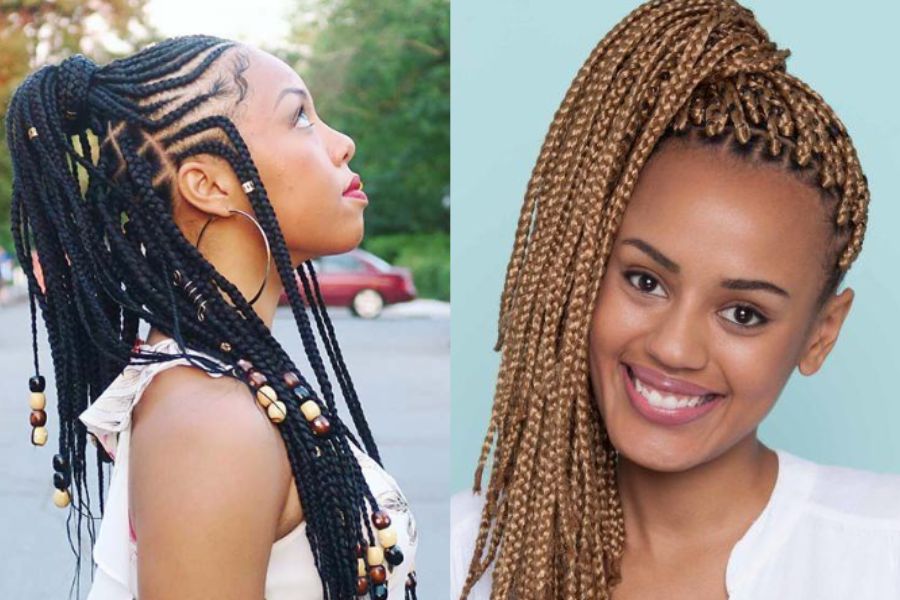
Classic and versatile, box braids are sectioned into squares and can be worn in many lengths and thicknesses. They work well for those who want a long-lasting look.
Knotless Braids
Knotless braids begin with your natural hair and gradually feed in extension hair, which creates a flatter, lighter start at the root. Many people find them more comfortable, especially if they have a tender scalp.
Cornrows and Feed-In Braids
Braided flat against the scalp, cornrows suit active lifestyles and can be arranged in straight lines, curves or intricate patterns. Feed-in styles add extension hair gradually for a smooth, natural finish.
Fulani Braids
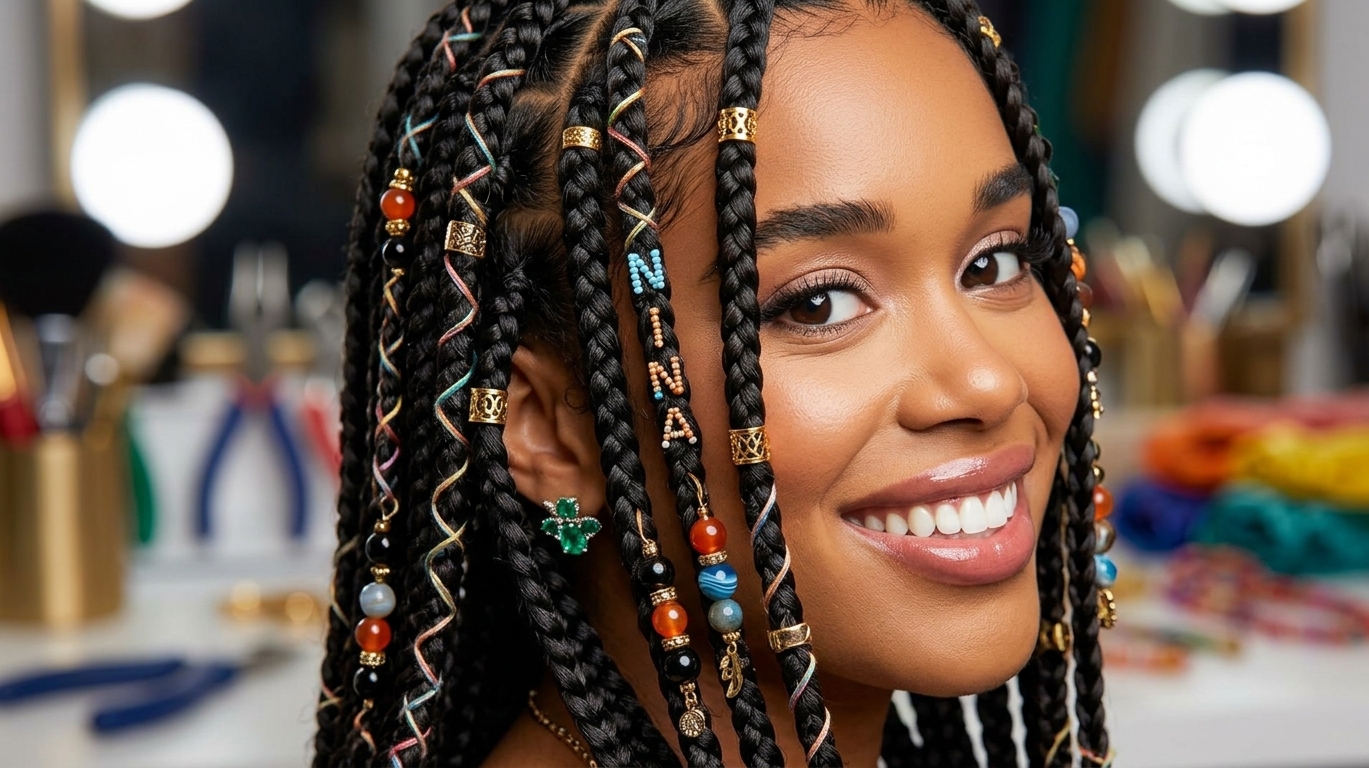
Recognisable by their central braid, side cornrows and often decorative beads or cuffs, Fulani braids are a striking option for special occasions or anyone who enjoys a statement look.
Why Choose a Local Braider in Finsbury Park
Braiding is a personal service that benefits from trust and consistency. Working with someone nearby makes it easier to attend consultations, arrange aftercare and return for adjustments or refresh appointments. Finsbury Park is also well connected by Underground and rail, which makes it accessible for people travelling from surrounding parts of north London.
When you search for a braids protective style In Finsbury Park, look beyond photographs. Read recent customer reviews, check that the stylist works confidently with your hair texture and ask how they protect the hairline. Independent salons such as Dc_Izelle Hair&Beauty can offer a personalised experience, which is helpful if you want advice tailored to your hair rather than a one-size-fits-all approach.
How to Prepare for Your Appointment
Preparation makes the result look better and last longer:
- Book a consultation or ask questions in advance. Discuss your hair goals, health concerns and preferred style. A salon like Dc_Izelle Hair&Beauty may be able to advise on suitable sizes and lengths before you book.
- Arrive with clean, detangled hair. Unless your stylist provides a wash and blow-dry, wash, deep condition and fully detangle your hair beforehand.
- Bring reference photos. Images help your braider understand the size, length and pattern you want.
- Allow enough time. Rushing can lead to uneven parts or excessive tension.
- Speak up during installation. If anything feels too tight, tell your stylist immediately.
Aftercare: Keeping Your Braids and Natural Hair Healthy
Good aftercare protects the investment you have made:
- Moisturise your scalp and hair lightly. Use a lightweight leave-in or oil, avoiding heavy buildup.
- Cleanse regularly. Gently wash the scalp every two to three weeks using diluted shampoo and a nozzle bottle or applicator.
- Protect at night. Sleep with a satin bonnet, scarf or pillowcase to reduce frizz and friction.
- Avoid over-wearing. Most braid styles should be removed within around six to eight weeks to prevent matting and breakage.
- Take down carefully. Remove braids patiently, with slip and a wide-tooth comb, and let hair rest and recover before the next style.
Common Mistakes to Avoid
- Choosing a style that is too heavy for your hair strength
- Ignoring scalp pain or swelling
- Leaving braids in beyond the recommended time
- Skipping moisture and cleansing
- Picking a stylist solely on price or a single photo
Frequently Asked Questions
How long do braids last as a protective style?
Most braid styles look best for around four to eight weeks, depending on hair growth, size and aftercare. Leaving them longer increases the risk of tangling and breakage at the root.
Which braid style is best for sensitive scalps?
Knotless braids are often more comfortable because they start softer at the root. Larger, lighter braids can also reduce weight and pull.
How do I find a reliable braider?
When comparing options for a braids protective style In Finsbury Park, check customer reviews, look at consistent portfolio work, ask about hygiene and tension practices, and book a short consultation if possible.
Can braids cause hair loss?
They can if they are too tight, too heavy or left in for too long. This is why correct installation, moderate tension and timely removal are so important.
How much should I expect to pay?
Cost depends on braid size, length, hair included and the time required. Ask for a clear price before your appointment so there are no surprises.
Conclusion
Choosing the right braids means balancing looks with hair health. Consider your hair type, lifestyle, scalp comfort and budget, then work with a stylist who listens, explains their approach and prioritises gentle installation. With careful preparation and consistent aftercare, your style can look excellent while your natural hair rests and grows.
If you are ready to find the best braids protective style In Finsbury Park, take time to compare stylists and ask the right questions. Whether you prefer classic box braids, lightweight knotless braids or neat cornrows, speaking with a local professional such as Dc_Izelle Hair&Beauty can help you decide on a look that suits you.