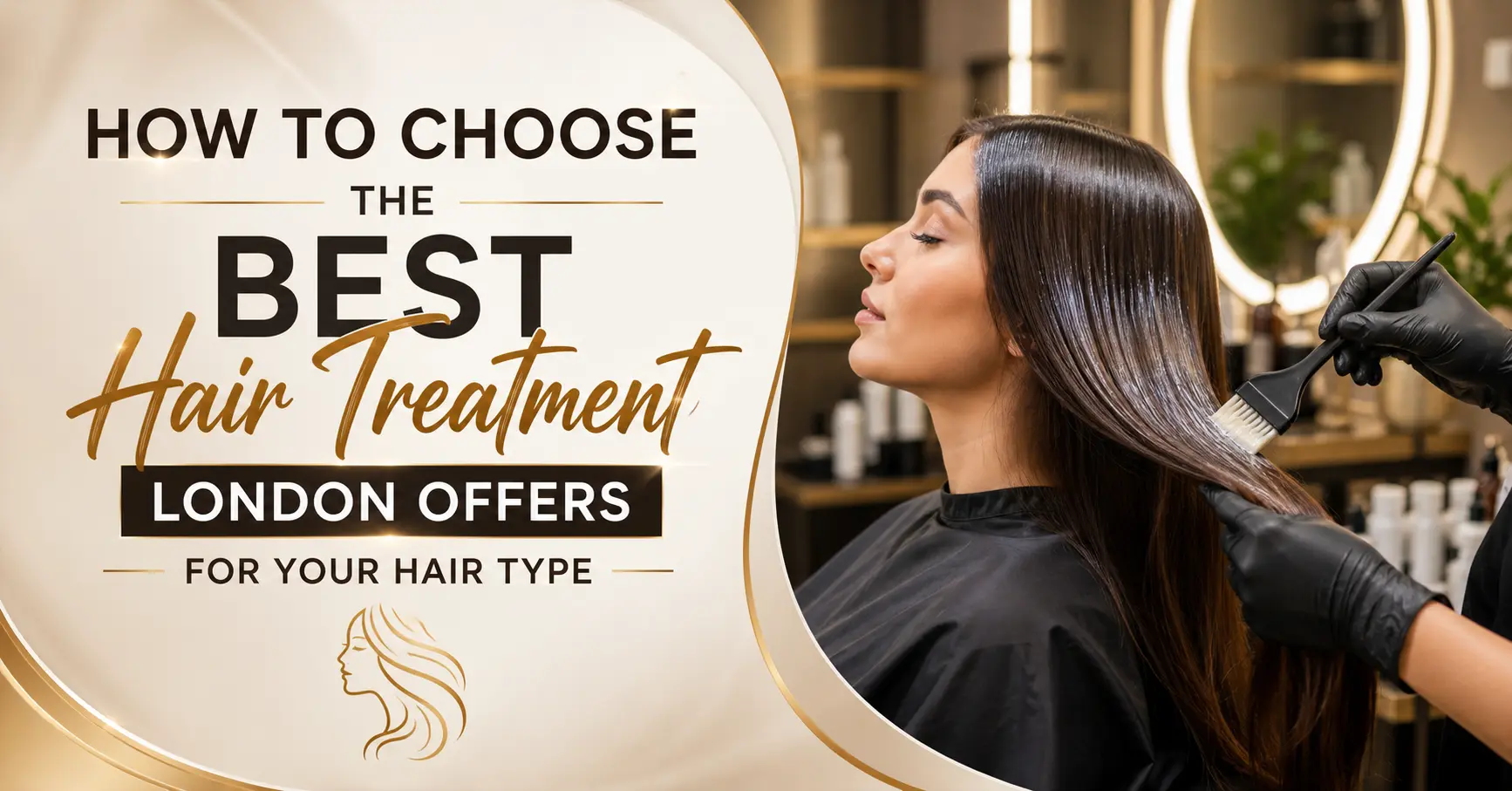
Walk into any salon and the treatment menu can feel overwhelming: keratin smoothing, protein repair, deep conditioning, scalp therapies, glossing. Choosing the right Hair Treatment London stylists provide becomes much easier once you understand your hair type and what it actually needs. A professional treatment can restore softness, tame frizz and strengthen weak strands, but only when it suits your hair. At Dc_Izelle Hair&Beauty, we meet clients every week who have been using the wrong products for their hair type, so this guide explains how to choose with confidence.
Quick Answer: How Do You Choose the Right Hair Treatment?
Match the treatment to your hair type and your main concern. Dry or damaged hair needs moisture and repair, frizzy or curly hair responds well to smoothing treatments, fine hair needs lightweight care, and an oily or flaky scalp benefits from a dedicated scalp treatment. The most reliable way to be sure is to book a consultation with an experienced stylist who can assess your hair in person.
Why Your Hair Type Matters Before You Book
Two people can ask for the same treatment and get very different results. Hair varies in thickness, porosity, texture and condition, and each of these changes how it absorbs and holds a product. Heavy, rich formulas can weigh down fine hair, while light treatments may do very little for thick, dry or coily hair.
In short, the best treatment is not the most expensive or most popular one. It is the one designed for the hair you actually have.
How to Identify Your Hair Type and Needs
Before you book, spend a few minutes looking at your hair in natural light. These common categories will help you describe your hair to a professional.
Dry or Damaged Hair
Your hair may feel rough, look dull and break easily. Split ends, brittleness and tangling are common signs. This hair usually needs moisture, nourishment and gentle repair.
Frizzy or Curly Hair
If your hair puffs up in humid weather or never quite behaves, smoothing and hydrating treatments can help. Curly and coily textures often need extra moisture, as natural oils travel down curls slowly.
Fine or Thin Hair
Fine hair can look flat or greasy when it is overloaded with product. Lightweight, volumising care works best, without heavy oils or thick masks.
Oily or Sensitive Scalp
An oily, itchy or flaky scalp points to a scalp problem rather than a hair problem. Treating only the lengths will not solve it, so a scalp-focused service is usually the better choice.
Coloured or Heat-Styled Hair
Colour, bleach and daily heat styling all weaken the hair over time. Repair and protein-balancing treatments help rebuild strength and keep colour looking fresh.
Popular Types of Professional Hair Treatment London Salons Provide
Understanding the main options makes your consultation far more productive.
Deep Conditioning Treatments
These add intense moisture and softness, and they are ideal for dry, dull or sun-damaged hair. Results are immediate but wash out gradually, so they work well as a regular boost.
Keratin Smoothing Treatments
Keratin treatments coat the hair to reduce frizz and make styling quicker. They suit many textures, including wavy and curly hair, but results depend on the formula and your hair’s condition. Always ask which products are used and what aftercare is needed.
Protein Repair Treatments
Protein treatments help strengthen hair that feels weak, stretchy or breaks easily. They are especially useful after bleaching or chemical services, though too much protein can leave hair stiff, which is why balance matters.
Scalp Treatments
A scalp treatment cleanses buildup and soothes dryness, helping create a healthier base for hair growth. If you have a persistent scalp condition, a doctor or trichologist is the right person to see.
Gloss and Shine Treatments
These add shine and smoothness to the surface of the hair, and they are perfect before a special event or after a colour appointment.
Best Treatment by Hair Type: A Quick Guide
- Dry hair: Deep conditioning or a nourishing mask
- Damaged or bleached hair: Protein repair followed by moisture
- Frizzy hair: Keratin smoothing or a hydrating treatment
- Curly or coily hair: Moisture-rich conditioning designed for texture
- Fine hair: Lightweight strengthening care
- Oily or flaky scalp: Scalp treatment
- Dull coloured hair: Gloss or colour-protecting repair
This list is a starting point, not a prescription, which is why a personal consultation matters.
Why a Professional Consultation Comes First
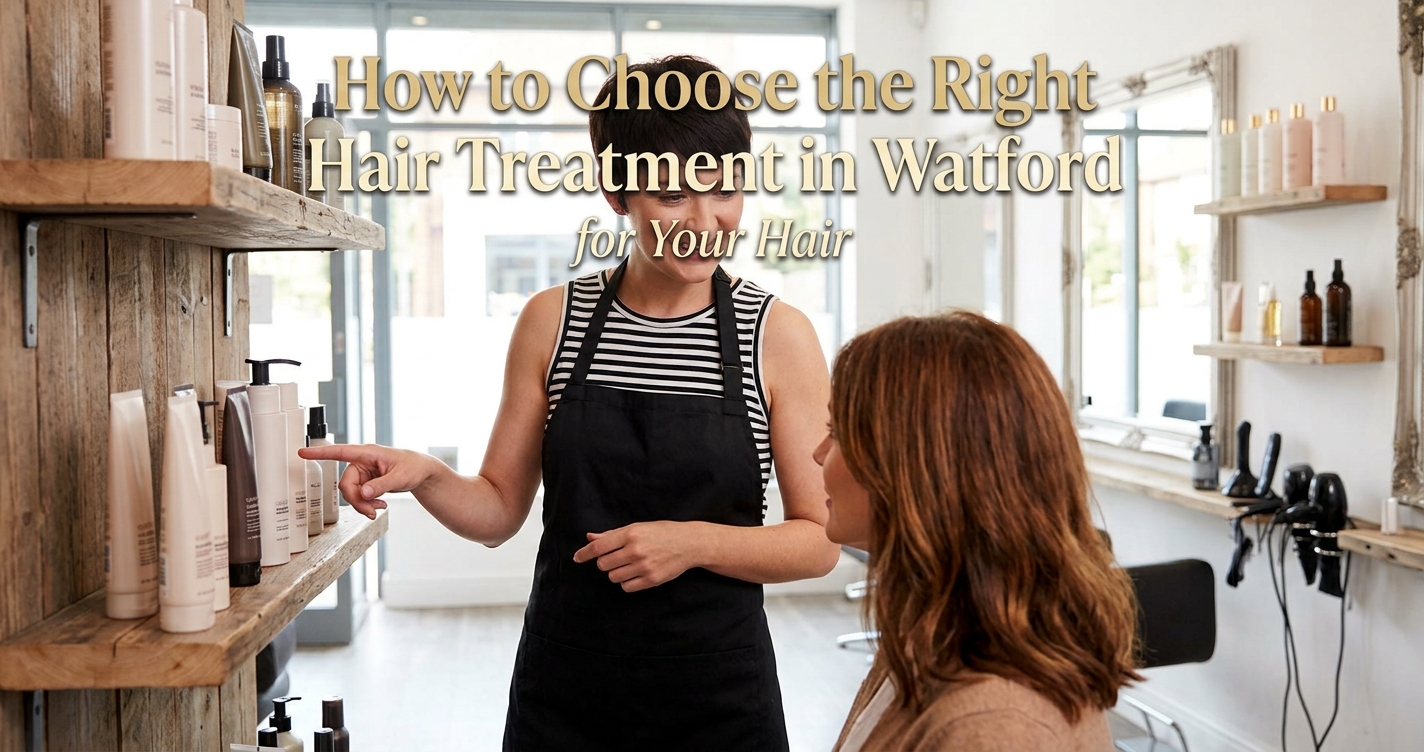
Even the most trusted Hair Treatment London salons should begin with a proper conversation. A good stylist looks at your hair’s condition, asks about your routine, colour history and heat use, and explains what will realistically change. This is where expertise shows, because an honest professional will sometimes recommend a simpler option than the one you asked for.
Questions to Ask Before You Book
Choosing a treatment also means choosing who will apply it. Consider asking:
- What products will you use, and why are they right for my hair?
- How long will the results last?
- How should I wash and style my hair afterwards?
- Is this treatment suitable for coloured, bleached or curly hair?
- Are there any ingredients I should avoid if my scalp is sensitive?
Clear, confident answers are a good sign of quality service.
What to Expect During Your Appointment
A typical visit begins with a consultation, followed by a wash, application of the treatment, a development time and a finish. At Dc_Izelle Hair&Beauty, we explain each step so you know what is happening and why. You can also look through examples of our recent work before you decide.
Aftercare: How to Make Your Treatment Last
Good aftercare is what turns a good Hair Treatment London visit into lasting results. Follow these simple habits:
- Use a gentle, sulphate-free shampoo and a suitable conditioner.
- Apply heat protection before blow-drying or styling.
- Avoid washing with very hot water.
- Sleep on a silk or satin pillowcase to reduce friction.
- Book regular trims so split ends do not undo your progress.
Common Mistakes to Avoid
Many people are disappointed by a treatment because of avoidable mistakes. Choosing by trend instead of hair type, skipping the consultation, over-treating hair that is already fragile and ignoring aftercare are the most common ones. A little patience and honest advice go a long way.
Pair Your Treatment With Other Services
A well-chosen Hair Treatment London service works even better alongside other care. Once your hair is healthy, you can refresh it with colour and highlights that look richer and last longer, or keep it in shape with regular trims and styling. Planning an event? A treatment a week or two beforehand can make wedding and special occasion hair easier to style. If you prefer a different location, you can also explore our approach to hair treatment in Watford, and see everything we offer across our full range of services.
Is Professional Hair Treatment London Worth the Investment?
Shop-bought masks have their place, but a salon service is stronger, more targeted and applied by someone who can see how your hair responds. It also saves money in the long run if it prevents damage that would otherwise need cutting off. For hair that is genuinely dry, damaged or unmanageable, a professional treatment is usually a worthwhile step.
Frequently Asked Questions
How often should I book a Hair Treatment London appointment?
It depends on the treatment and your hair. Deep conditioning can be repeated every few weeks, while keratin smoothing is typically repeated a few times a year. Your stylist can recommend a schedule based on your hair’s condition.
Which Hair Treatment London option is best for frizzy hair?
Keratin smoothing and deep hydrating treatments are the most popular choices for frizz. The best option depends on your texture and how smooth you want the result, so a consultation helps you decide.
Can I have a treatment on coloured or bleached hair?
Often yes, but the formula and timing matter. Tell your stylist about your colour history so they can protect your hair and your shade.
Are salon hair treatments safe for sensitive scalps?
Many are, but you should mention any sensitivity or past reactions beforehand. If your scalp is persistently irritated, speak to a doctor.
Conclusion
Choosing the right Hair Treatment London service does not have to be confusing. Start by understanding your hair type, match it to a suitable treatment, ask the right questions and follow good aftercare. The result is hair that looks healthier, feels softer and is easier to manage. Dc_Izelle Hair&Beauty is here to give you honest, professional advice and a treatment designed around your hair, so you can leave feeling confident in the way it looks and feels.